
When we walk through a park, we instinctively decide whether it feels peaceful.
If we hear birds singing and traffic seems distant, we assume we are standing in a good bird habitat.
But do birds experience that same soundscape the way we do?
That simple question led me down a path I never expected.
Birds depend on sound for almost everything they do. Songs help them attract mates, defend territories, warn one another about predators, keep family groups together, and communicate during migration. Unlike us, they cannot simply ignore the sounds around them. Their lives depend on being able to hear one another.
So, what makes a place difficult for birds?
Most people, including me at first, would probably answer: the loudest places.
It turns out the answer is more complicated.
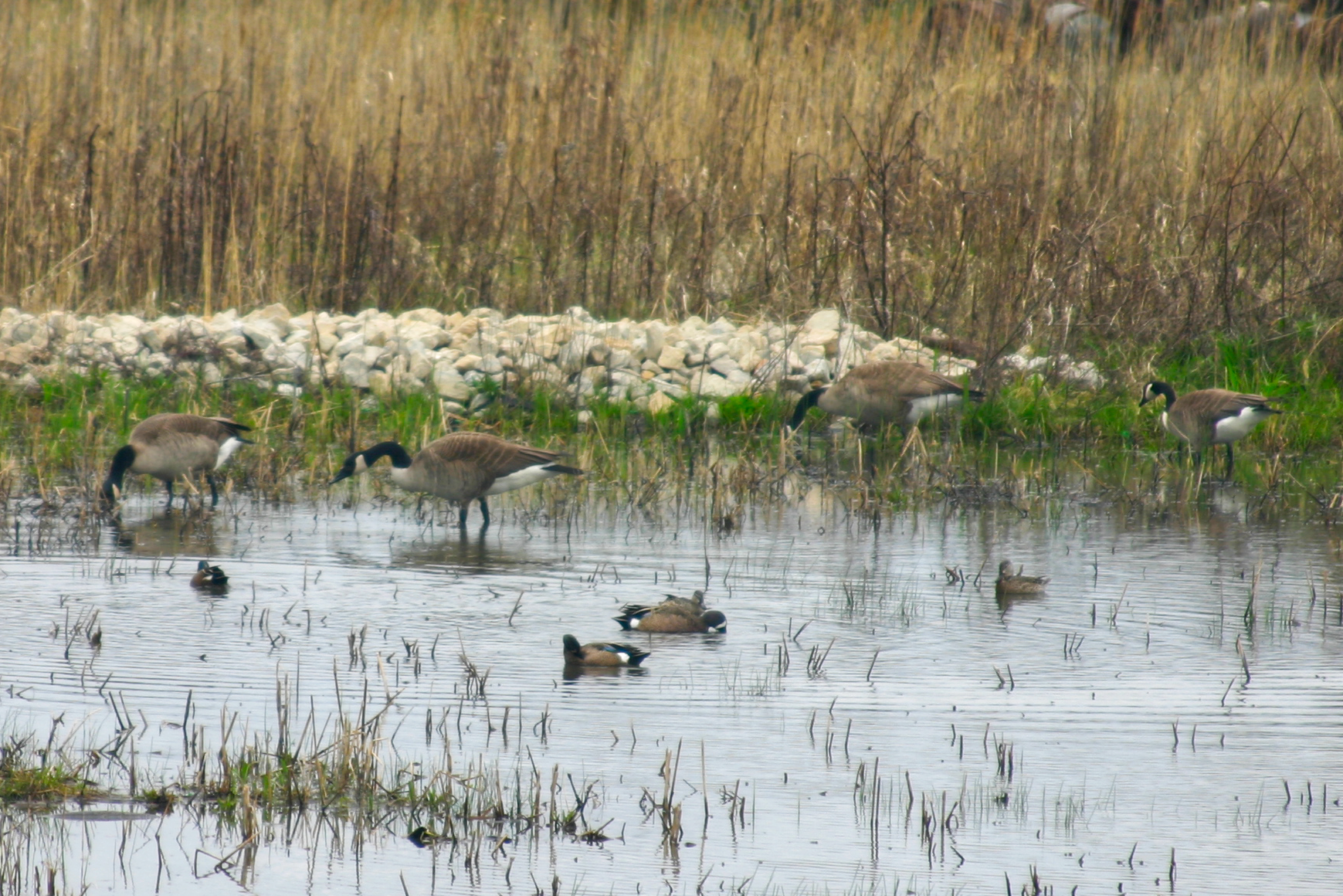
Photo of Canada Geese and Blue-winged Teal by Joseph Bruno
Listening Instead of Looking
That curiosity eventually became the VIREO Initiative, a student-led nonprofit that studies environmental soundscapes in parks and forest preserves in northeastern Illinois.
Instead of beginning by counting birds, we began by listening to the places they live.
Small weatherproof recorders called AudioMoths were placed in parks and preserves, quietly recording short snippets of sound throughout the day and night over several weeks.
Those recordings quickly grew into tens of thousands of recordings.
Machine-learning models then identified different kinds of sounds: birdsong, insects, wind, rain, traffic, machinery, and other human-generated noise, allowing us to describe each location's soundscape in far more detail than a simple decibel measurement.
Because these recordings are collected in public places, protecting visitor privacy is central to our work. Every recording is screened for human speech, and any detected speech is privacy-processed before publication so that speaker identity cannot be recovered. That allows the data to remain useful for ecological research while respecting the privacy of park visitors.
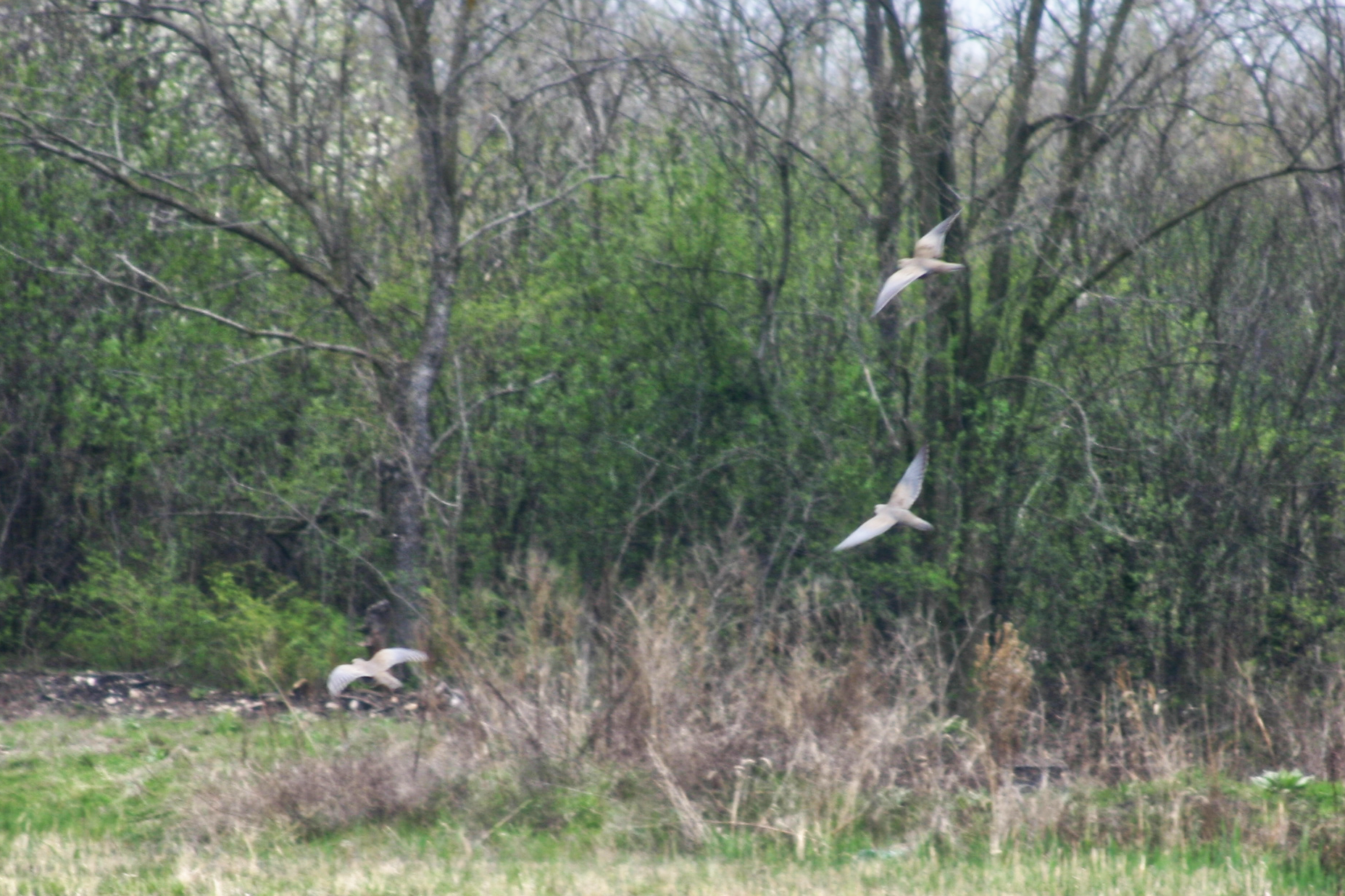
Photo of Mourning Doves by Joseph Bruno
Not All Noise Is Equal
Imagine two places.
In the first, a freight train passes once every hour. It is extremely loud but only for a minute or two.
In the second, traffic from a nearby road creates a steady background hum throughout the day.
Most of us would probably remember the train. However, the steady traffic may create the greater challenge for birds. Why?
Because birds communicate using sound. A persistent background noise continuously masks their songs and calls, making it harder for them to hear one another over long periods of time.
To better understand that difference, we developed what we call an Avian Impact Score (AIS). Rather than considering sound level alone, it also accounts for the kinds of sounds present, how much of the day they occupy, and how much they overlap with the frequencies birds use to communicate.
When we mapped those scores across local parks, one pattern stood out.
Places that were not the loudest often created the greatest barriers to bird communication because the noise was persistent rather than occasional.
That was a surprising result.
It suggested that what kind of noise we create, and how constant it is, may matter as much as how loud it is.
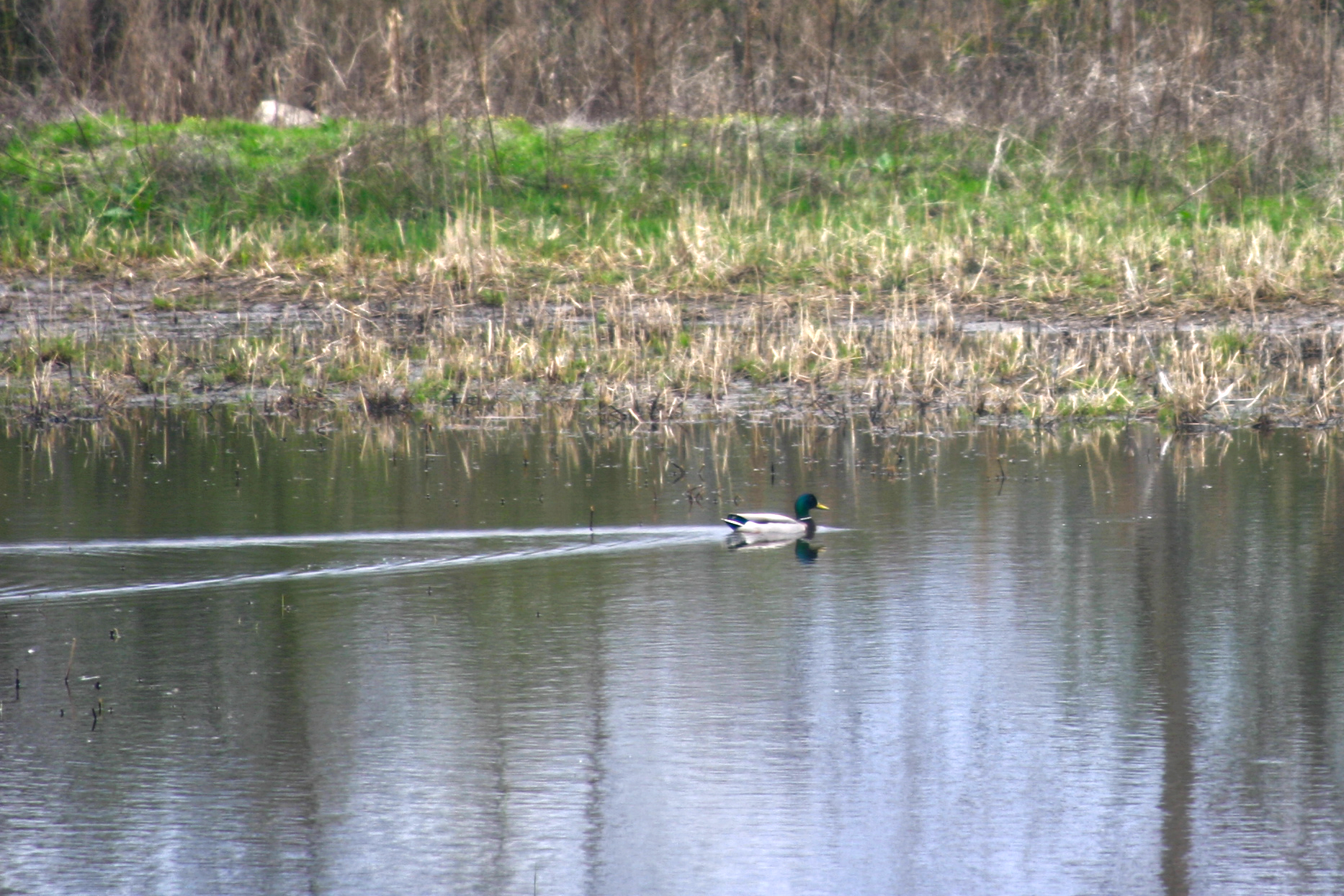
Photo of Mallard by Joseph Bruno
Why Open Data?
One project cannot answer every question about birds and sound, and that’s why VIREO was built around open science from the beginning.
Our first public dataset includes recordings from 18 monitoring locations across three parks and forest preserves in northeastern Illinois, together with supporting environmental measurements and documentation describing how the recordings were collected and privacy-protected.
By making the data openly available, we hope researchers, educators, students, conservation organizations, and citizen scientists can ask questions we never thought to ask ourselves.
One of the most rewarding parts of open science is seeing other people build on your work.
From Research to Education
One thing we did not expect was how quickly the project would move beyond research.
The same recordings and maps that began as scientific analyses are now becoming educational exhibits in local nature centers and zoos, helping visitors explore something they cannot normally see - the hidden soundscape of the places they visit.
Conservation is often thought of in terms of protecting land, restoring habitat, or planting native vegetation. But sound is an important part of habitats too.
If we want birds to thrive, understanding the acoustic environments they experience may be just as important as understanding the landscapes we can see.
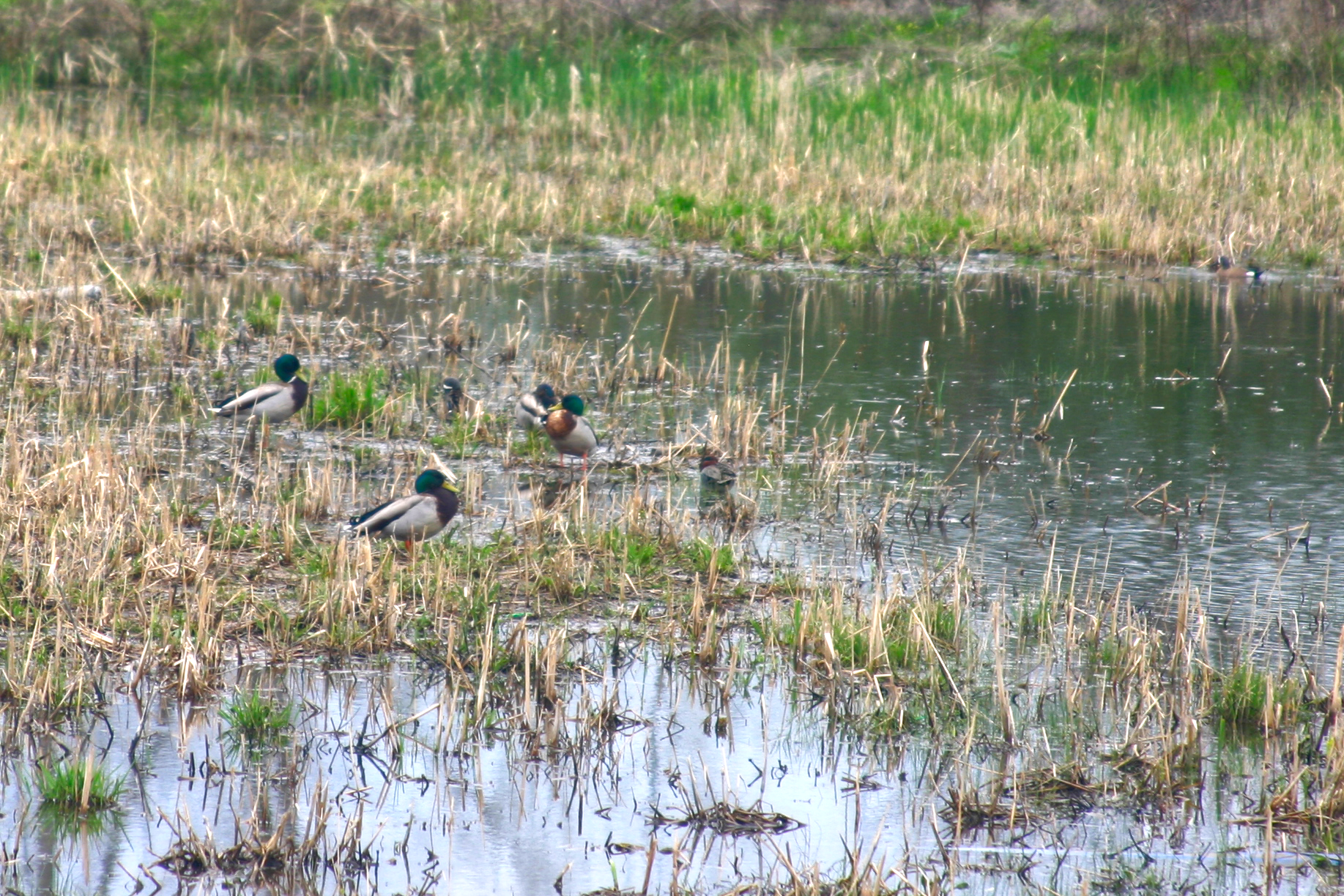
Photo of Mallards and Blue-winged Teal by Joseph Bruno
The Next Time You Visit a Park...
The next time you walk through a park or forest preserve, stop for a moment before continuing down the trail.
Close your eyes.
Listen.
Not just for the birds, but for everything around them.
Can you hear traffic in the distance?
An airplane overhead?
Wind in the trees?
Now imagine trying to find a mate, defend your territory, or warn your family of danger in that soundscape every day.
You may never hear a park quite the same way again.
Explore the VIREO open dataset:
https://doi.org/10.5281/zenodo.21246876
Learn more about the VIREO Initiative:
https://vireoinitiative.org
Questions or ideas? We'd love to hear from you.
info@vireoinitiative.org
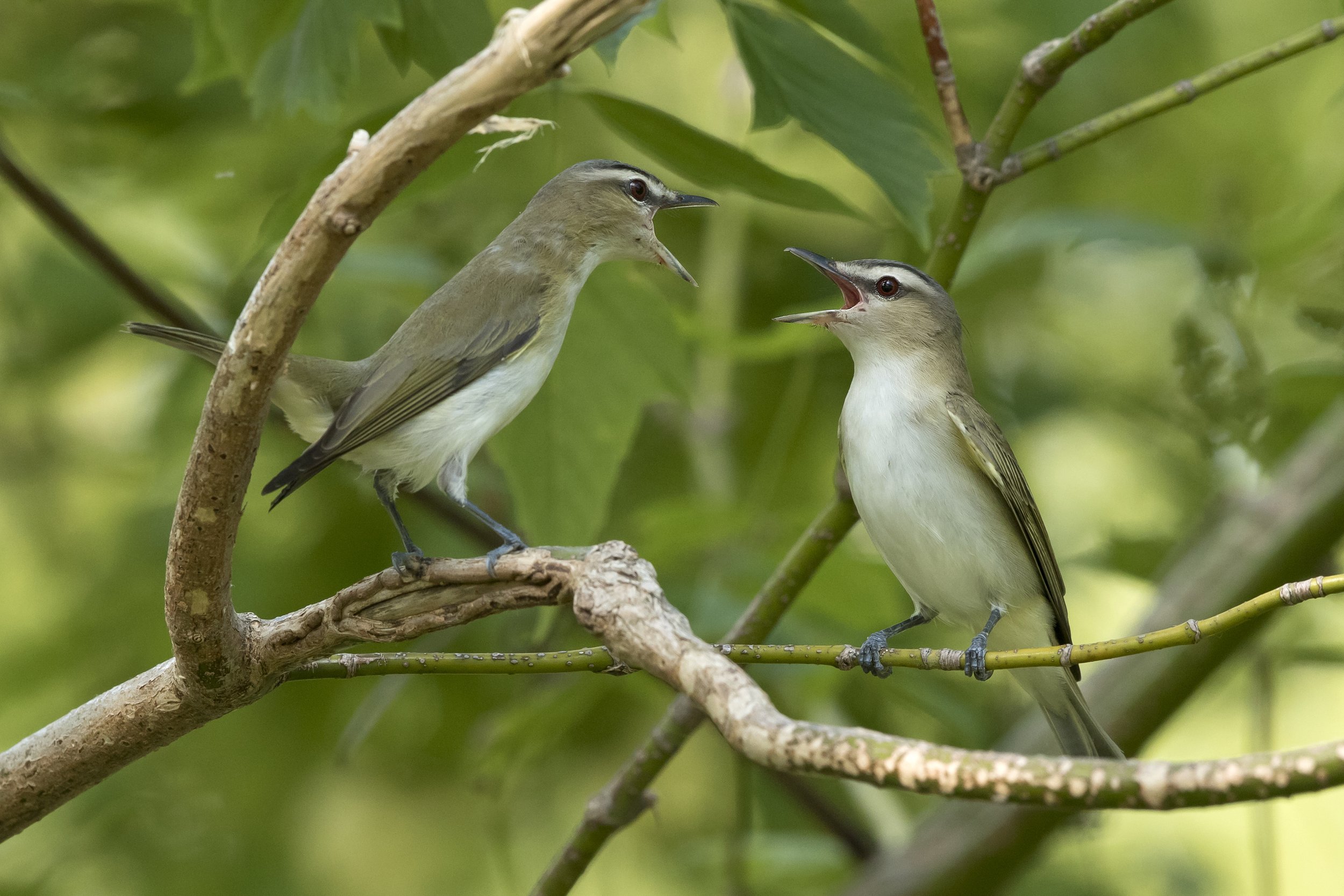
Header photo of Vireos by Greg Pasek/Audubon