
This article was provided by Cat Topia, a sponsor of the 2026 Urban Birding Festival.
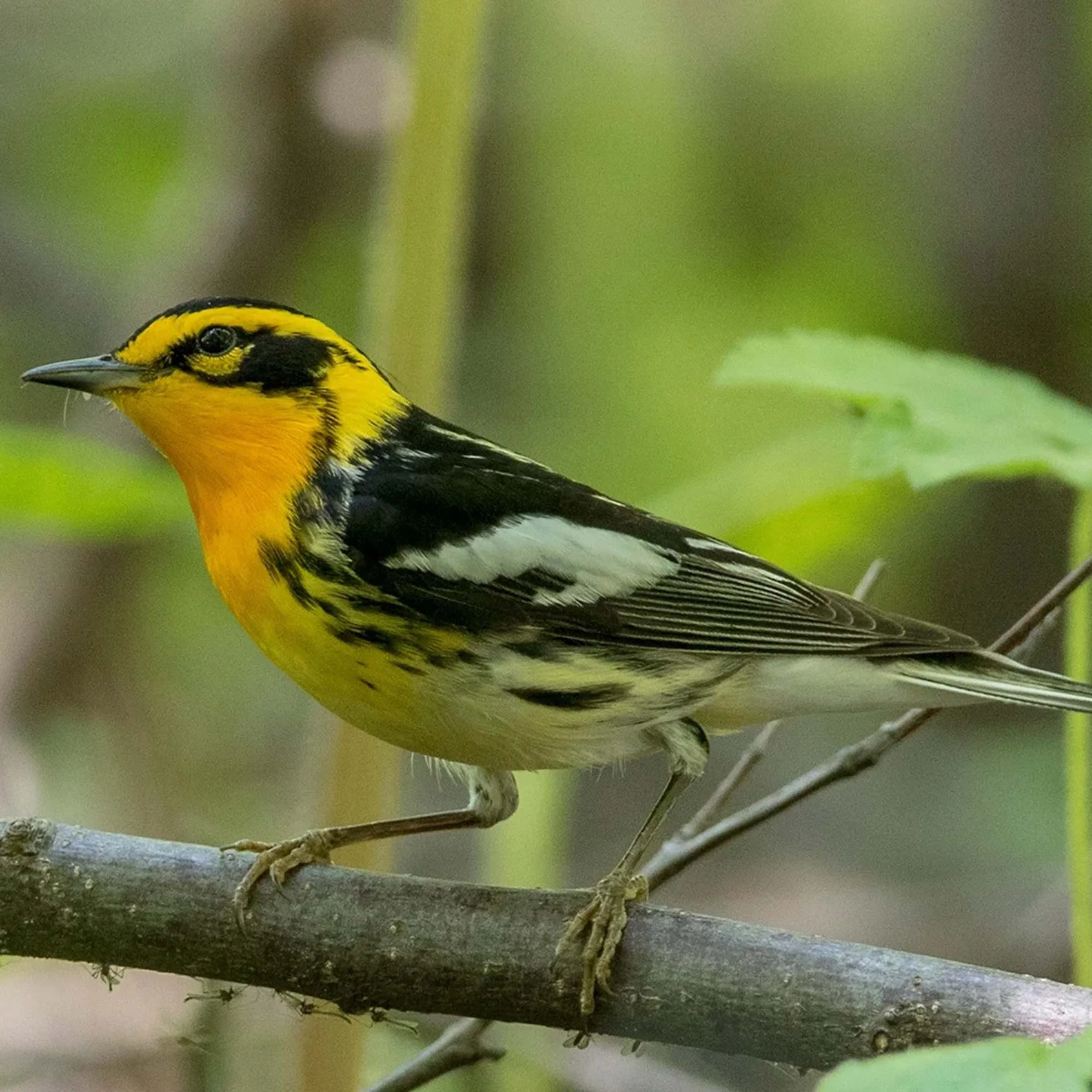
Spring is officially in the air, and peak spring migration is right around the corner. Millions of birds pass through our backyards from March through June, with the peak in mid-May. On their way north, Chicago is a crucial stop for food, shelter, and rest.
While some of our favorite birding spots are in less urban environments, this does not mean local and migratory bird species avoid more densely populated areas. In fact, roughly half of all migration stopovers occur in large metropolitan areas. Artificial light from these cities acts as a beacon, drawing in both local and migratory species.
Urban areas tend to be slightly warmer, creating favorable conditions for rest stops along their journey. Birds often use urban parks, backyards, tree-lined streets, and even golf courses as places to rest and refuel.
This highlights the importance of creating bird-friendly backyards and shared green spaces as a community, providing essential food, shelter, and rest for both local Chicago species and the millions of birds traveling along the Mississippi Flyway.
One of the simplest and most effective ways to provide essential food and shelter for these birds—whether local or migratory—is by planting native plants. Native plants are more resistant to pests and have coevolved with local insect populations, making them a critical food source while also attracting pollinators and providing the shelter birds rely on. Below are seven native plants you can grow this spring to help attract birds.
Why Native Plants Matter for Bird Conservation
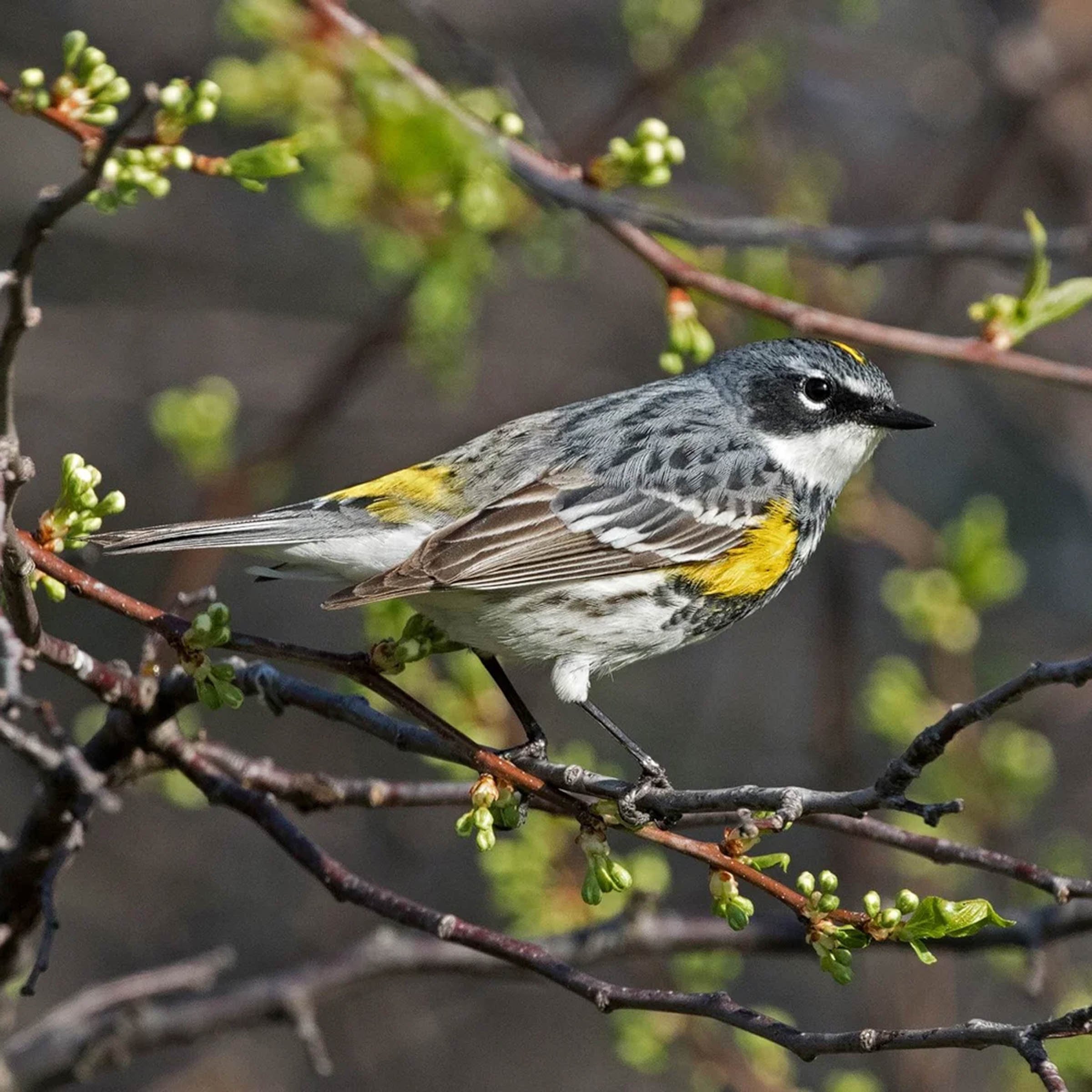
Native and migratory birds rely on native plants for essential food and shelter. Native plants are species that have naturally evolved in a specific region over thousands of years, adapting to the local climate, soil, and wildlife. Because of this, they play a critical role in maintaining a healthy and balanced ecosystem.
Most nurseries sell imported plants from other countries and regions. While these plants are beautiful and can make great statement pieces to show off to neighbors or friends, they can harm the local ecosystem. Unlike native plants, non-native species often do not provide the same ecological value and can disrupt the natural relationships between plants, insects, and wildlife.
Native insects have evolved alongside native plants, and many imported, non-native plants have leaves that are difficult or impossible for insects to feed on. As a result, these plants support far fewer insects, reducing a critical food source within the ecosystem. Around 96% of North American bird species rely on insects to feed their young, making insects a primary food source for both local and migratory species.
Planting non-native plants means fewer insects, and fewer insects means less essential food for the birds that rely on Chicago as a valuable resting and breeding ground. Over time, this can impact not just individual bird populations, but overall biodiversity and the health of the local ecosystem.
Choosing to plant native species is one of the simplest and most effective ways homeowners can support bird conservation. By doing so, you are helping to restore natural food sources, supporting local wildlife, and creating a more balanced and sustainable environment right in your own backyard.
7 Chicago Native Plants to Grow This Spring
Perennials, Shrubs, and Flowers
Chicago is home to many beautiful native plants; after all, your garden is your personal retreat, so why shouldn’t it be beautiful while also supporting your local ecosystem? Perennials, which return year after year without needing to be replanted, along with other flowers and shrubs, offer sustainable, low-maintenance options once established, making them an easy addition to any garden. These plants are highly adaptable to local conditions, providing essential nutrients while attracting native pollinators, while shrubs offer important foraging and shelter for both native and migratory birds that pass through Chicago. Most thrive in full sun to partial shade and prefer moist, well-drained soil. Let’s take a look at five you can grow this spring:
1. Butterfly weed
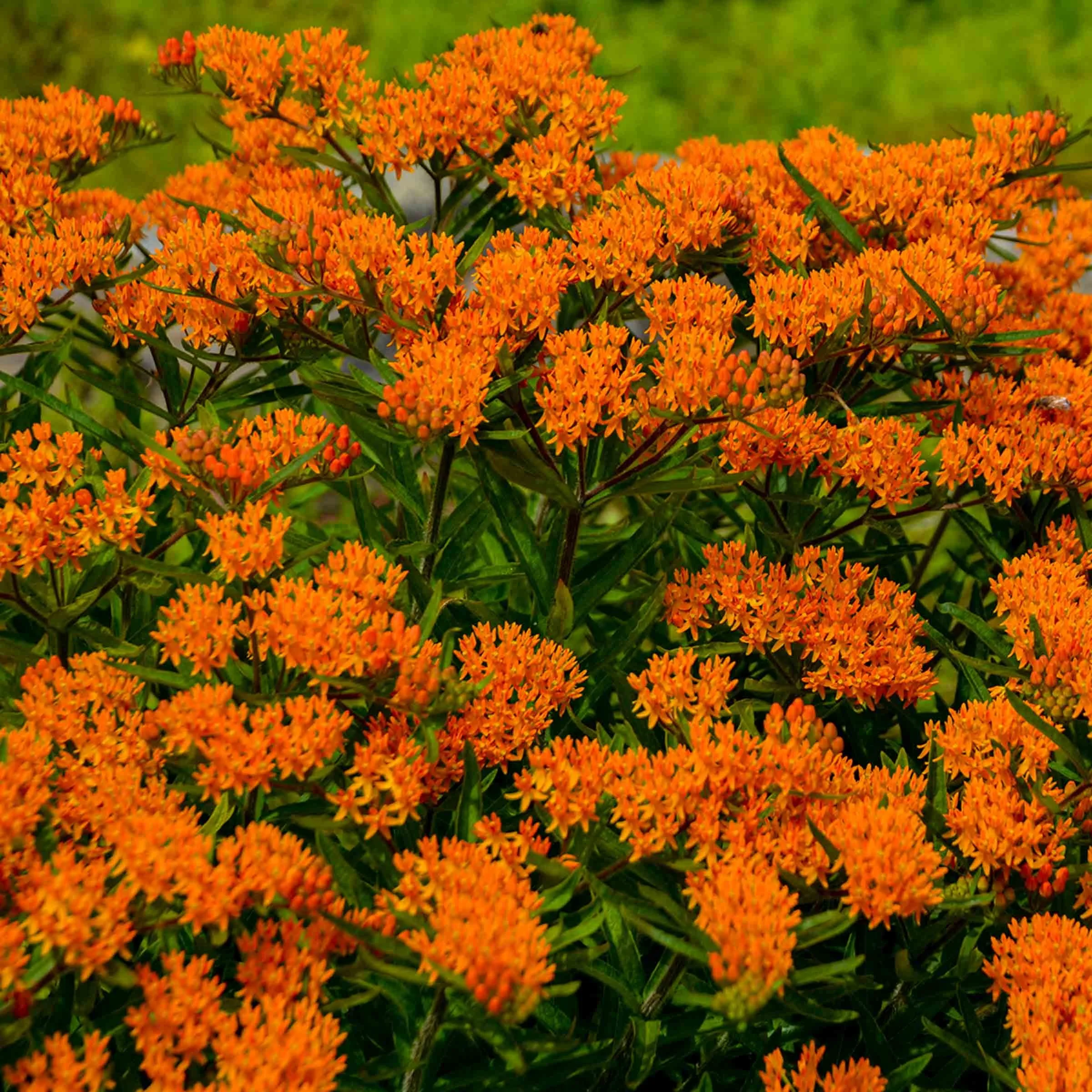
Butterfly weed features bright orange blooms and a compact, upright form that works well in smaller garden spaces. It draws caterpillars and other soft-bodied insects that parent birds collect to feed their chicks.
2. Elderberry bush
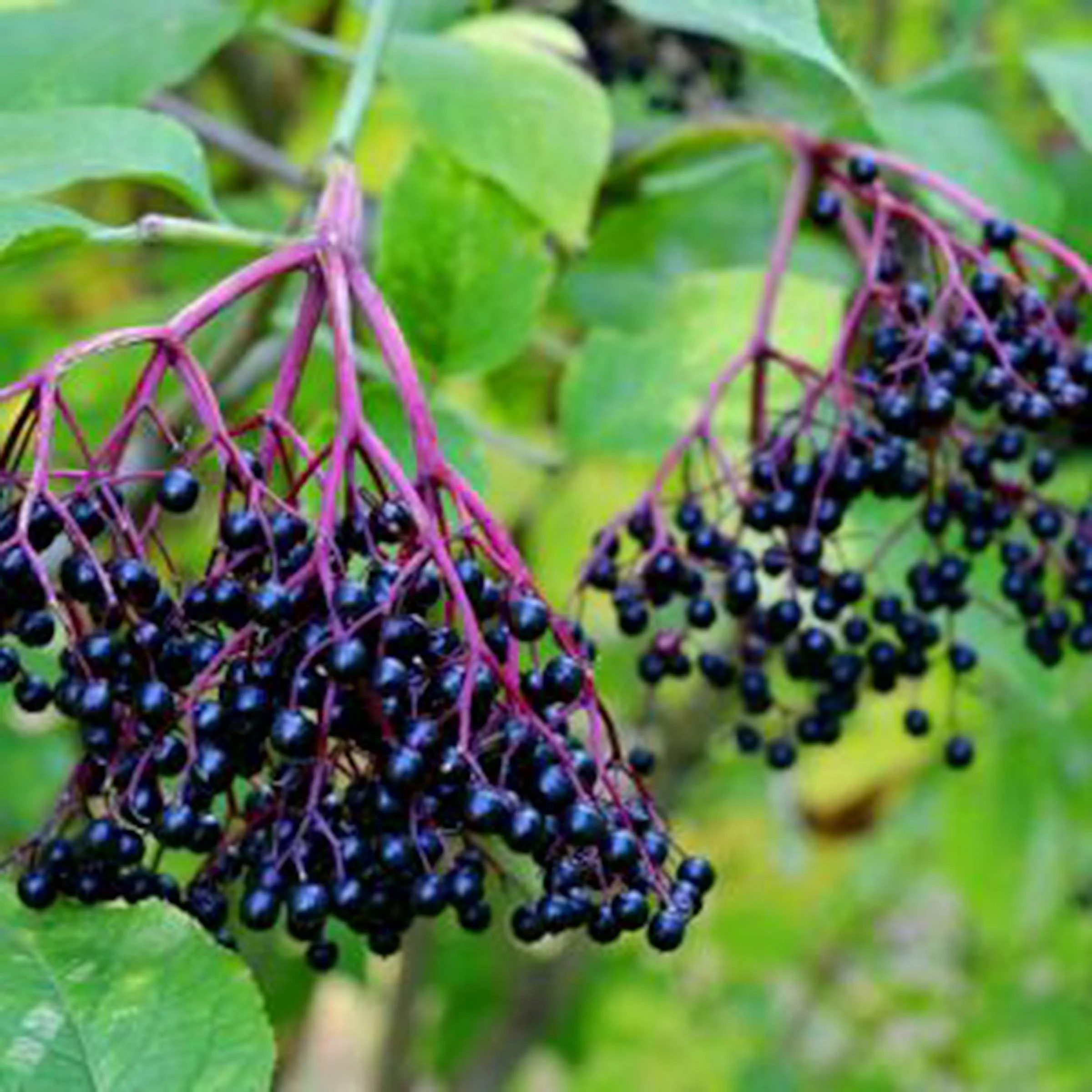
Elderberry is a fast-growing shrub with clusters of white flowers followed by dark purple berries. Birds like robins and cedar waxwings feed on the berries, while the dense branches provide cover for nesting.
3. Foxglove beardtongue (penstemon digitalis)
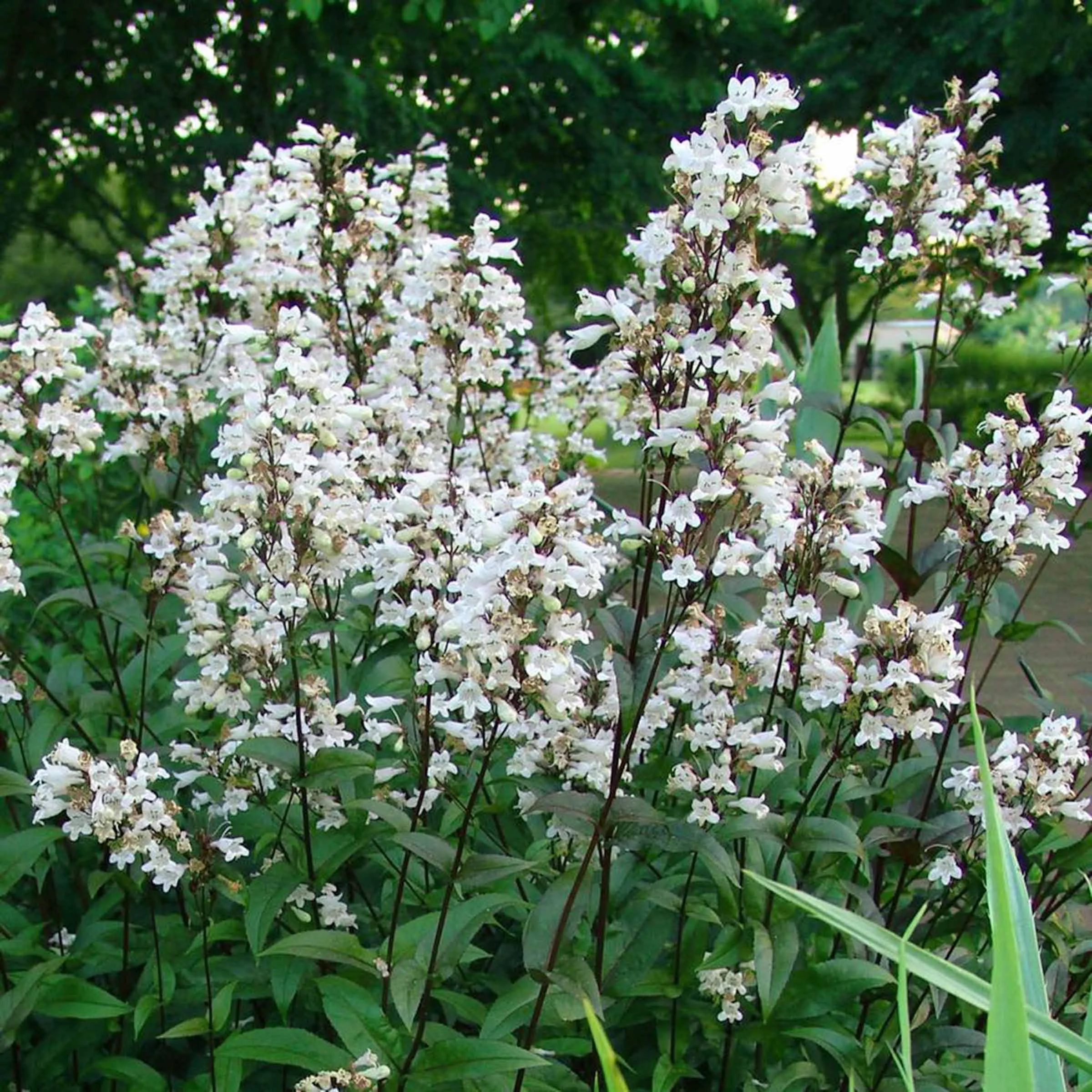
This plant produces tall spikes of white, tubular flowers that add vertical height to planting areas. Birds forage along the stems, picking off small insects that gather around the blooms.
4. Garden phlox
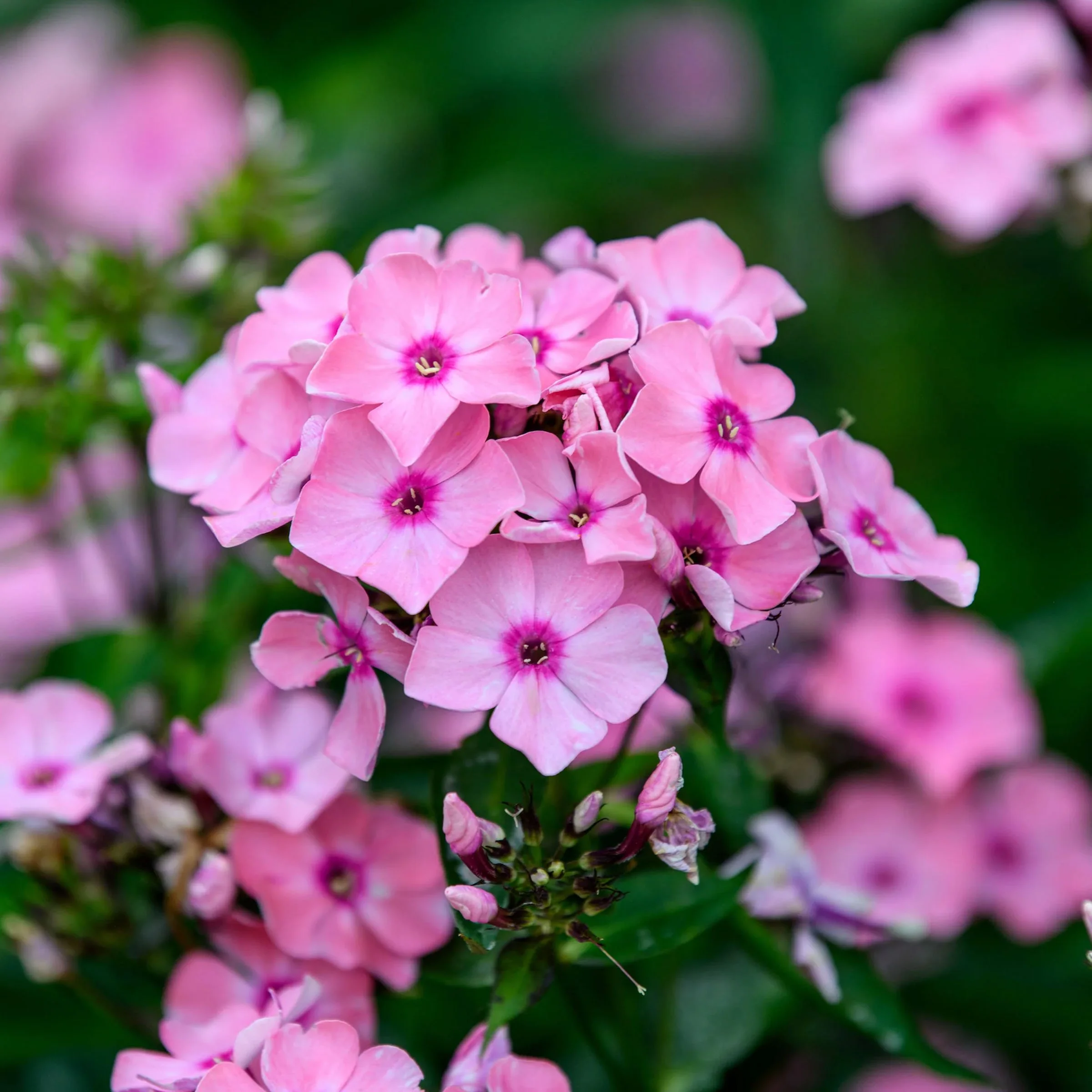
Garden phlox grows in full, colorful clusters that make it a strong choice for borders and layered beds. Its blooms attract flying insects that birds catch in mid-air or forage around the plant.
5. Culver’s root (veronicastrum virginicum)
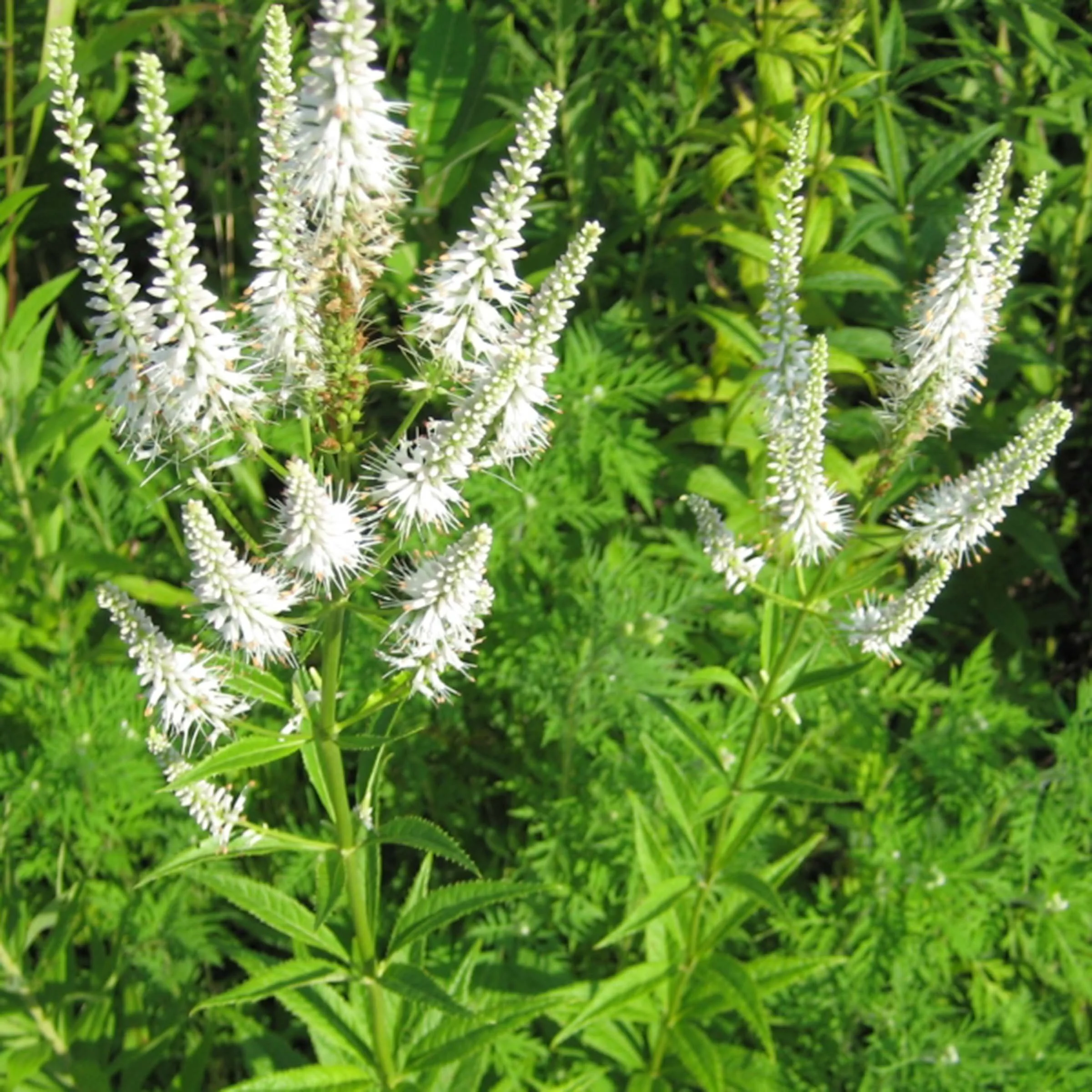
Culver’s root is a tall, slender plant with soft, branching flower spikes suited for rain gardens and naturalized spaces. Its height gives birds a place to perch while scanning for insects.
Trees
If you have the space, native trees can transform your yard into a reliable food source and shelter for birds throughout the year. Many species in this region, such as oaks and cherries, host hundreds of caterpillar species on their leaves, an essential food source for birds during nesting season. These trees generally grow well in full sun to partial shade and adapt to Chicago’s variable soils and climate, requiring minimal maintenance once established. In addition to supporting insect life, many produce seeds or fruit at different times of year, giving birds consistent places to forage, while their branching structure provides sheltered spots for nesting and protection during migration.
6. Sweetgum
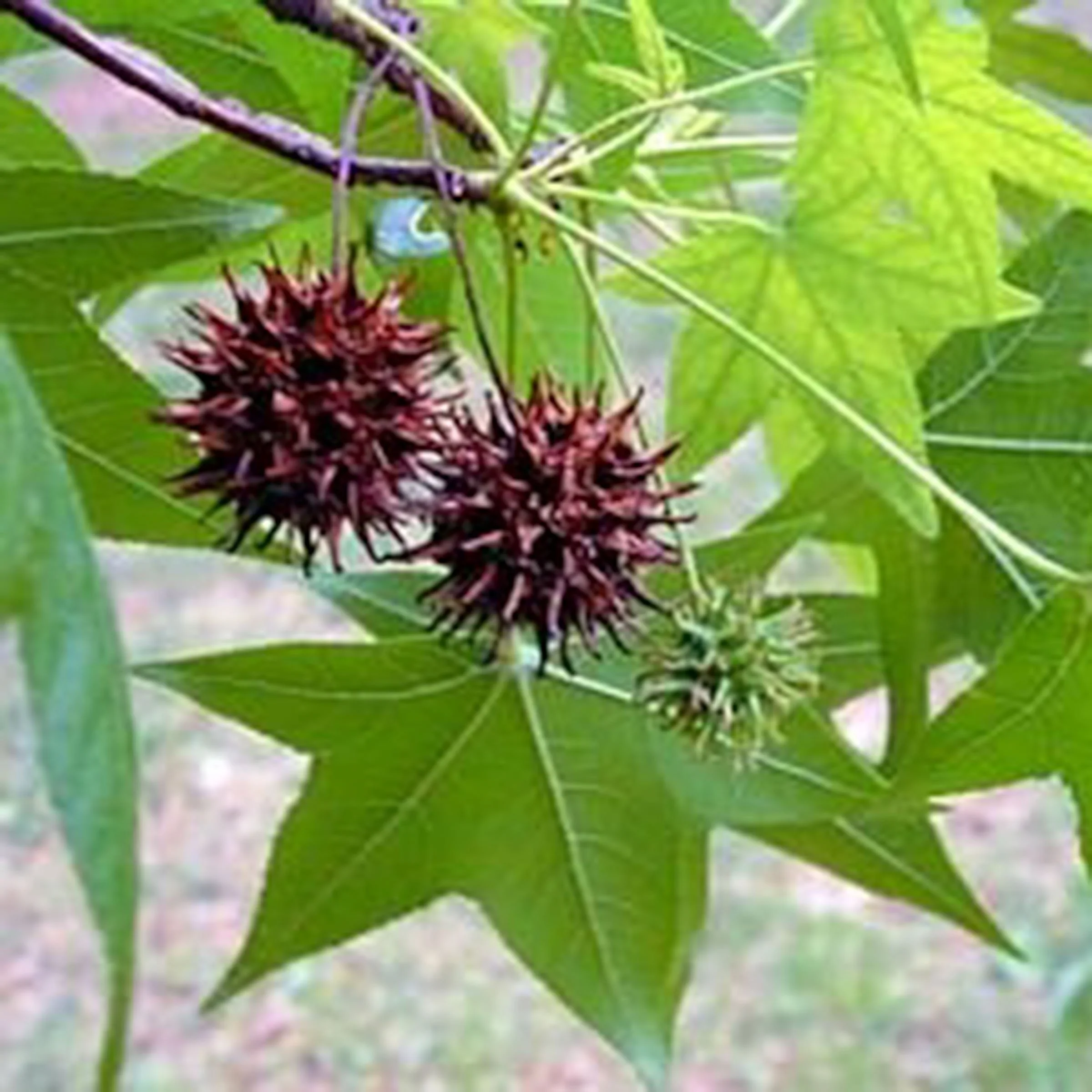
Sweetgum is a large tree with star-shaped leaves and distinctive spiky seed pods. Finches and other seed-eating birds cling to the pods and pull them apart to reach the seeds inside.
7. Black cherry (prunus serotina)
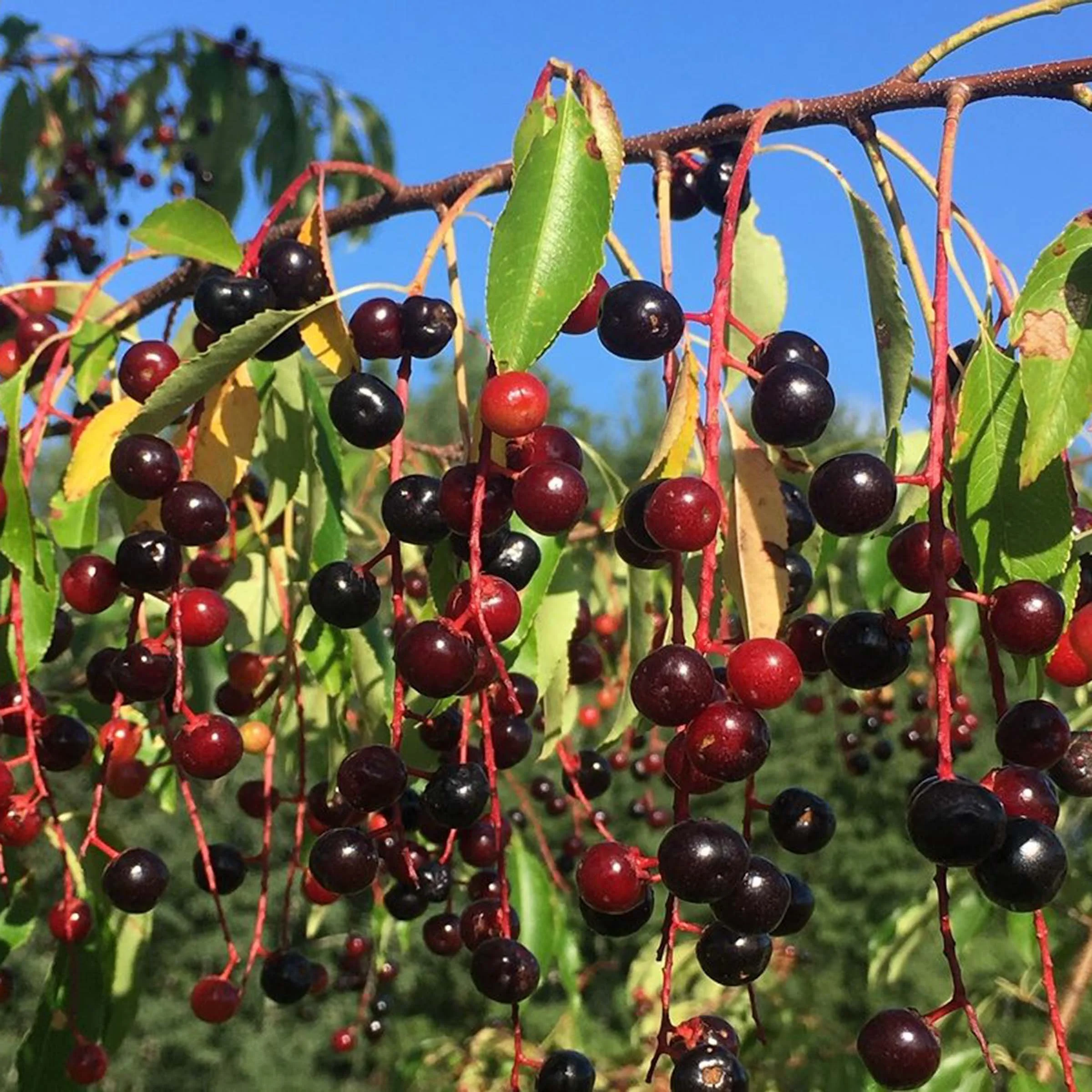
Black cherry produces clusters of small white flowers followed by dark fruit. Birds feed on the fruit in summer and also rely on the caterpillars that develop on its leaves in spring.
Ways to Reduce Preventable Urban Threats to Birds
Urban environments provide important habitat for birds, but they also introduce a number of preventable threats. From artificial lighting to window collisions to free-roaming pets, many of the risks birds face in cities can be reduced with small, intentional changes. Taking steps to minimize these threats can make a meaningful difference for both local and migratory bird populations.
Reduce Light Pollution
Birds use the sun, stars, and the moon as compasses during their migration journey and daily movements. Artificial light can disrupt these natural compasses, pulling birds from their migration paths and into dense, dangerous urban environments.
Not only can artificial lights draw birds in from their daily movements and migratory routes, but they can also cause confusion, leading birds to fly in circles and collapse from exhaustion. This disorientation also contributes to millions of deaths each year from window and building collisions.
Reducing unnecessary outdoor lighting, using motion sensors, or turning off lights during peak migration periods can help create a safer environment for birds traveling through Chicago. For more ways to reduce light pollution, check out the Lights Out Chicago initiative.
Window Collisions

Birds are unable to recognize reflections when they see skylines or vegetation reflecting off windows, which often leads to window collisions. According to recent studies, window collisions are responsible for the deaths of over 1 billion birds each year.
To help reduce this common urban threat, you can:
Create 2” x 2” patterns on the outside of your windows using materials such as decals, tempera paint, tape, or netting. This helps reduce reflections and allows birds to recognize the window as a barrier.
Place screening on the outside of your windows. When screens fully cover the window, they help break up reflections and reduce the risk of collisions.
Place bird feeders within 3 feet of windows or more than 30 feet away from your home to minimize impact risk.
Avoid placing indoor plants or shrubs near windows where birds can see them, as this can attract birds toward the glass.
Advocate for local laws and regulations that support bird-safe building designs.
Protect Birds from Free-Roaming Cats
The number one leading cause of bird mortality in the U.S. is cats. Whether feral, domestic, or stray, cats are responsible for killing an estimated 2.4 billion birds each year. While feral and unowned colonies are responsible for the majority of these deaths, a significant portion is also contributed by domesticated free-roaming cats.
Not only do free-roaming cats harm local and migratory bird species, they can also exacerbate the growth of feral and unowned cat populations if they are not spayed or neutered. While these numbers are significant, cats are not inherently bad animals, but they are natural predators, and when left to roam freely, even well-fed cats will hunt.
This highlights the importance of responsible pet ownership and coming together as a community to reduce the number of free-roaming cats. Here are some simple actions local residents can take to reduce the harm cats pose to birds:
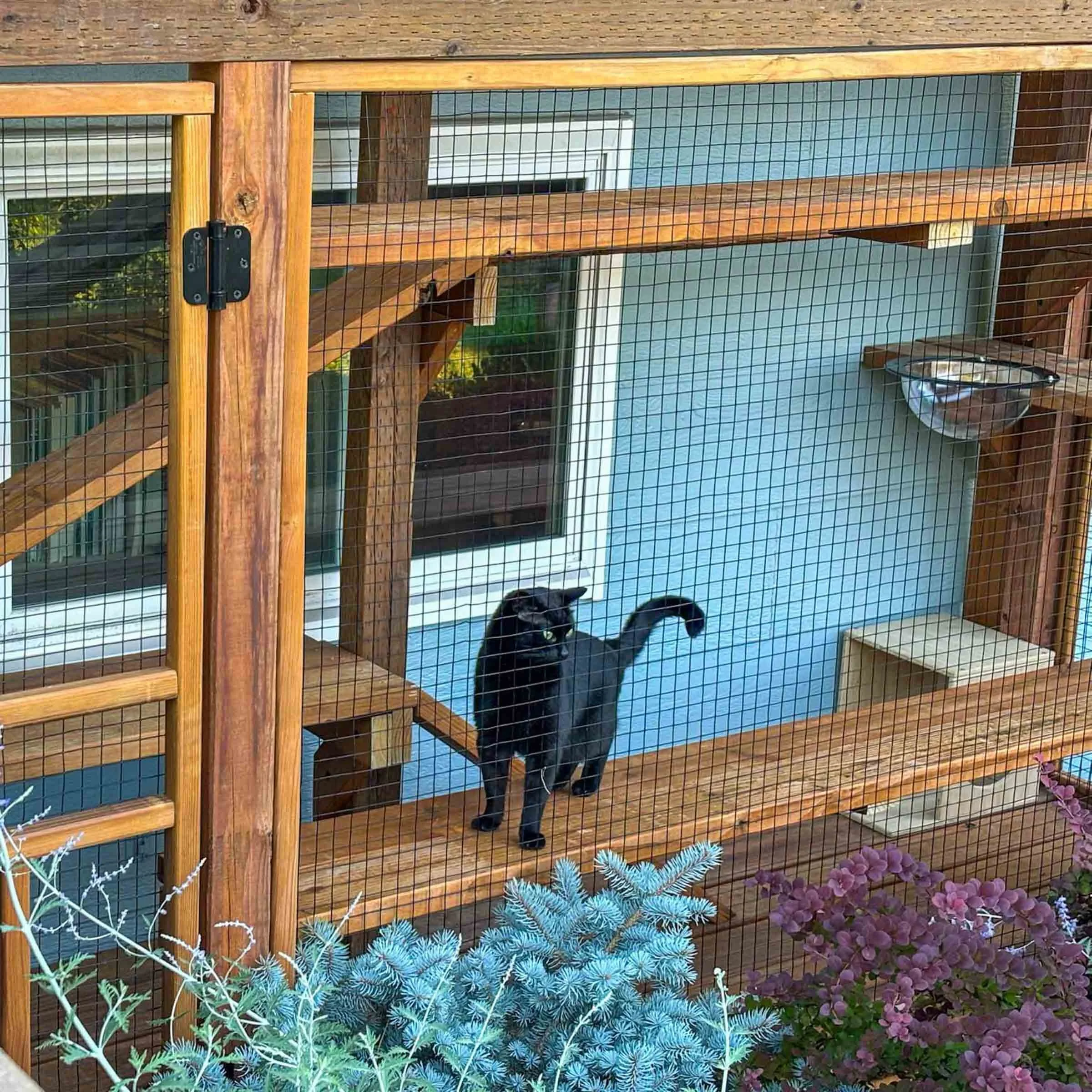
Keep cats indoors or provide a safe outdoor enclosure (catio). Indoor cats live longer, healthier lives and avoid threats such as vehicles, predators, and disease.
Avoid feeding or maintaining feral cat colonies, which can increase predation pressure on birds and other wildlife.
Report stray or feral cats to local animal shelters, humane societies, or animal control for safe trapping and rehoming.
Encourage neighbors to keep cats contained through community pledges or neighborhood guidelines.
Place bird feeders and baths safely away from cover, ideally 10–12 feet from dense shrubs or fences, and use baffles, cages, or metal poles to prevent cats and other predators from reaching feeding birds.
Educate others about how keeping even one cat indoors can save hundreds of birds over a cat’s lifetime.
Plant dense native shrubs or thorny hedges around nesting or feeding areas to make it harder for cats to approach birds unnoticed.
Small Changes, Big Impact for Chicago’s Birds
Supporting bird populations in Chicago does not require major changes. Small, intentional actions can have a meaningful impact. Planting native species, reducing common urban threats, and creating safer outdoor spaces all help provide the food, shelter, and protection birds need.
Even starting with just a few native plants this spring can make a difference. When combined with actions like reducing light pollution, preventing window collisions, and practicing responsible pet ownership, these efforts can help create a more supportive environment for both local and migratory species.
Bird conservation is a shared effort. As more residents take steps to create bird-friendly spaces, the collective impact across neighborhoods can help support the millions of birds that pass through Chicago each year.